The Afar Regional State in Ethiopia is often known for its dramatic landscapes—the searing heat of the Danakil Depression, active volcanoes like Erta Ale, and the discovery of our “grandmother,” Lucy. While its geology makes it a world-class spectacle, beneath the surface lies a wealth of natural resources with the potential to transform the region and the nation.
This isn’t just a place of extreme beauty; it’s a land of profound economic opportunity. Let’s delve into the major natural resources that make Afar an indispensable part of Ethiopia’s future.
💎 Mineral Wealth from Volcanic Fire
The Afar Depression is a plate tectonic triple junction, one of Earth’s most active volcanic areas. This continuous geological activity, while contributing to the region’s harsh environment, is the very source of its incredible mineral wealth.
- Potash: Afar holds some of the world’s largest untapped reserves of this vital mineral, primarily used in fertilizers to boost crop yields. Its development could turn Ethiopia into a major global supplier.
- Salt: Salt has been a key resource for centuries, traditionally mined from the region’s salt lakes (like Lake Afdera) and transported by camel caravan. Today, modern companies are scaling up production for both food and industrial use (e.g., manufacturing chemicals like chlorine and caustic soda).
- Other Minerals: The region is also rich in deposits of sulfur, bentonite (a versatile clay used in everything from drilling mud to animal feed), and gypsum (essential for cement and drywall). There are even indications of gold deposits in certain areas.
🐄 Livestock: The Lifeblood of the Land
Despite the challenging arid and semi-arid climate, the traditional Afar pastoralist way of life revolves around a vast and robust livestock population, which includes camels, cattle, sheep, and goats.
- Pastoral Economy: Livestock are not just a food source but the community’s primary form of wealth, providing meat, milk, and products for trade. Camels are particularly vital, prized for their resilience, milk production, and ability to transport goods across long distances.
- Potential for Modernization: With one of the largest livestock populations in Africa, there is immense potential for modernizing the sector, improving productivity, and establishing agro-processing industries for meat, dairy, and leather goods.
💧 Water & Agriculture: The Awash River Valley
The life-giving Awash River runs through the southern part of the region, creating a stark contrast to the surrounding desert. This perennial river is the backbone of Afar’s agricultural potential.
- Irrigated Agriculture: The Awash River supports significant irrigated commercial farms, primarily for crops like cotton, sugarcane, and various food crops. This potential, though often leading to resource-use conflicts with traditional pastoralists, is key to food security and economic diversification.
- Flood-Based Farming: Innovative strategies are being developed to harness the seasonal floodwaters from the highlands to irrigate natural pastures and expand farming in a sustainable way, turning a hazard into a productive resource.
💡 Geothermal & Solar Energy: Powering the Future
The same geological forces that create the minerals and volcanoes offer a massive, clean energy source.
- Geothermal Energy: The high level of volcanic activity means Afar is a hotspot for geothermal energy, a stable, reliable source of power. This untapped resource could contribute significantly to Ethiopia’s national grid.
- Solar Power: With its relentless sun and clear skies, the Afar region is also perfectly suited for solar energy production, offering a massive potential for clean power that can be deployed relatively quickly.
🗿 Ecotourism and Anthropology: Global Significance
Finally, the region’s unique natural and historical resources draw global interest.
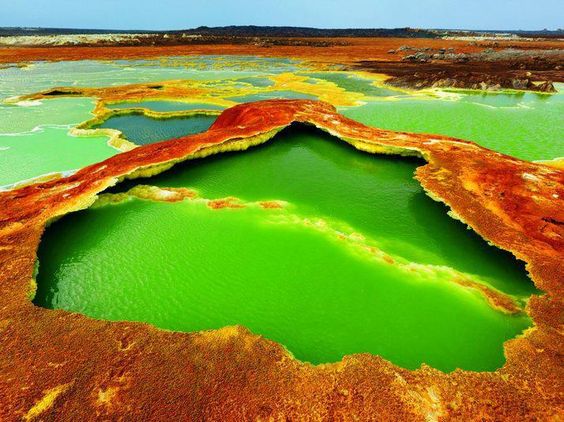
- World-Class Tourism: Attractions like the fiery Erta Ale volcano, the vividly colored hydrothermal fields of Dallol, and the wildlife of Awash National Park make Afar a frontier for adventure and ecotourism.
- Human History: The Afar region is an anthropological treasure trove, notably the site of the discovery of Lucy (Australopithecus afarensis), giving it global scientific and cultural significance.
The Road Ahead
Afar is a land of paradox—a harsh environment that harbors astonishing wealth. Realizing the full potential of these natural resources—from potash to solar energy to its vast livestock herds—requires strategic investment, improved infrastructure, and a focus on sustainable development that benefits both the national economy and the local Afar communities.